A Global Phenomenon's Next Chapter
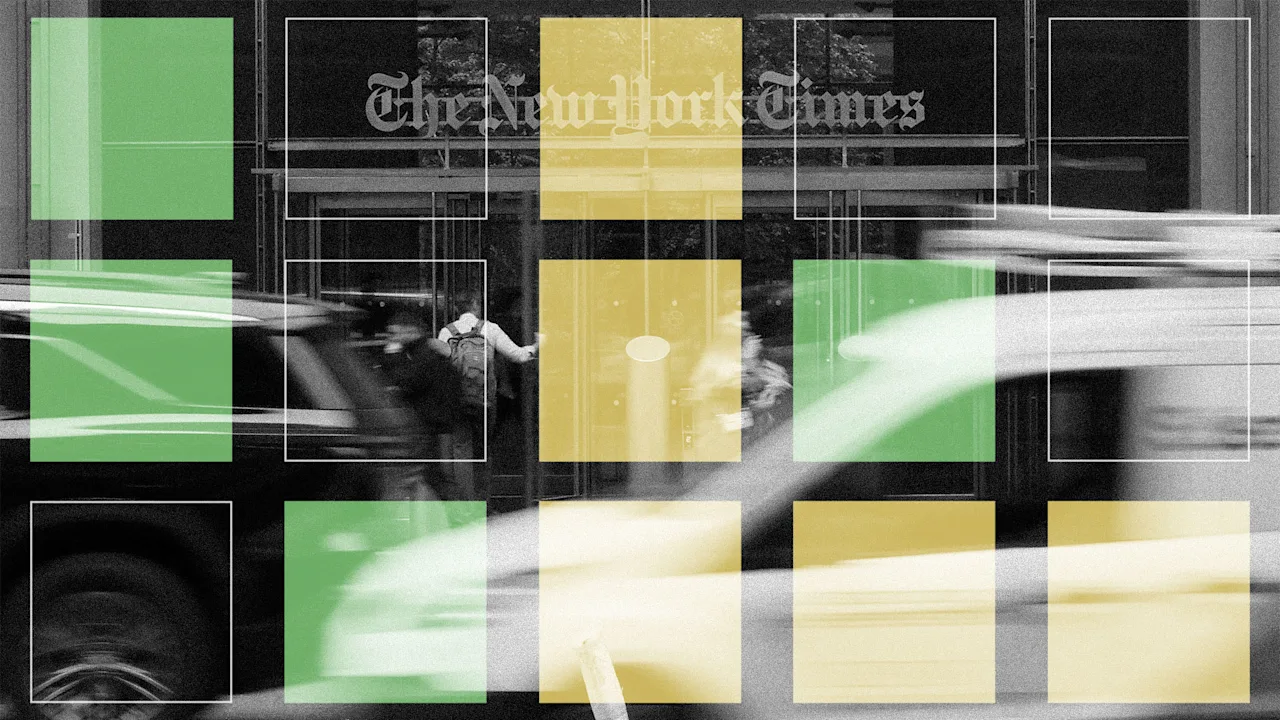
What started as a tiny word puzzle has snowballed into a television event. The New York Times and NBC jointly announced a new game show based on Wordle, the daily word-guessing game that has captivated tens of millions. This marks the Times' first foray into prime-time entertainment with a major broadcaster. The show, produced by Universal Television Alternative Studio, Jimmy Fallon's Electric Hot Dog, and the Times, aims to bottle the social magic that made the puzzle a worldwide habit.
From Side Project to Media Empire
Wordle emerged in 2021 from the brain of software developer Josh Wardle. Within months, 300,000 players were hooked on its six-guess, five-letter formula. Recognizing its viral potential, the New York Times scooped up the game for a low-seven-figure sum in early 2022. That acquisition has proven to be a masterstroke. The story of Wordle's creation is a testament to how a simple idea can explode into cultural dominance.
The Numbers That Spell Success
Caitlin Roper, executive producer for scripted film and TV at the Times, paints a picture of staggering engagement. “Tens of millions of people play New York Times Games every single day,” she says. Over half of weekly users tackle more than one puzzle daily, and more than a quarter play four or more per day. In 2025 alone, Times games were played 11.2 billion times. The Mini Crossword racked up 1.4 billion plays, Connections saw 1.6 billion successful completions, and Strands was played 1.5 billion times. These numbers highlight how deeply these games are woven into daily routines.
A Business Built on Ritual
Wordle and its sibling puzzles are not just fun—they are a strategic engine for the Times’ digital subscription business. In the first quarter of 2026, digital-only subscription revenues—covering news, The Athletic, Audio, Cooking, Wirecutter, and Games—grew 16.1% year over year. The Games section is a key driver of new subscribers, turning casual solvers into loyal readers. Now the Times is translating that ritual into a TV format, betting that the game’s social appeal will translate to the small screen.
A Social Experience Goes Live
Why a game show? Roper explains: “Wordle is already a social and shared experience. People don’t just play it, they talk about it, compare results, and solve together.” That dynamic gives the TV adaptation a natural foundation. The show will capture those “precious moments of discovery, surprise, and accomplishment” that make Wordle a daily touchstone. As the Times continues to expand its cultural footprint, this primetime experiment could redefine how print media brands engage with audiences far beyond the page.