A Paradigm Shift in Fat Biology
For decades, the prevailing view of obesity and metabolic disease has centered on a simple equation: too much energy storage in fat cells leads to weight gain, while insufficient release causes problems. But a groundbreaking discovery is challenging that narrative, revealing a hidden layer of complexity inside fat cells. Researchers have found that a protein long known for its role in breaking down stored fat — hormone-sensitive lipase (HSL) — also performs a critical second job inside the nucleus of fat cells. This dual function not only maintains the health and balance of these cells but also explains why people and mice lacking HSL don't become obese as expected. Instead, they suffer from a dangerous condition called lipodystrophy, where fat tissue is paradoxically lost. This finding has the potential to rewrite decades of fat science and open new avenues for treating metabolic disorders.
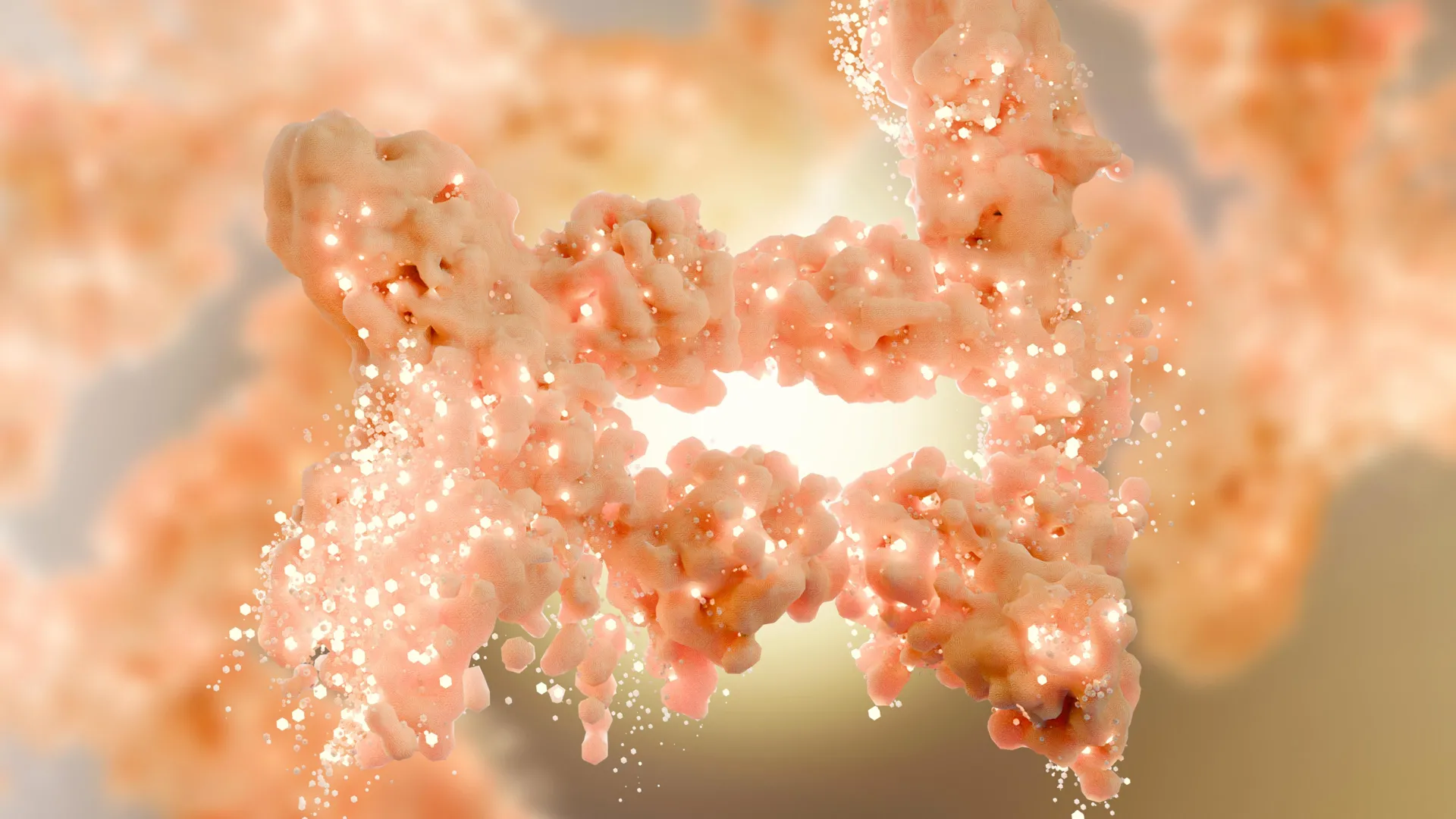
The Known Role of HSL: The Body's Fat Burner
Hormone-sensitive lipase has long been recognized as a key player in energy metabolism. Its primary function was thought to be the breakdown of triglycerides stored in adipose tissue — the body's fat reserves. When energy is needed, signals like adrenaline activate HSL, which then moves to the surface of lipid droplets inside fat cells and cleaves triglycerides into free fatty acids and glycerol. These are released into the bloodstream to fuel other tissues, such as muscles during exercise. This process, known as lipolysis, is a cornerstone of how the body manages its energy balance. Dysregulation of HSL was believed to contribute to obesity: if the protein is overactive, fat is released too rapidly, potentially leading to lipotoxicity; if underactive, fat accumulates excessively, contributing to weight gain and insulin resistance.
Yet this linear model left many questions unanswered. For instance, why do some individuals with normal HSL activity still develop severe metabolic diseases? And what happens when HSL is completely absent? The new research provides a startling answer that goes far beyond simple fat burning.
The Hidden Function: HSL in the Cell Nucleus
Using advanced imaging and molecular techniques, scientists have discovered that HSL doesn't just remain in the cytoplasm near lipid droplets. A significant portion of the protein shuttles into the nucleus of fat cells, where it takes on a completely different role: regulating gene expression. Inside the nucleus, HSL interacts with transcription factors and chromatin-modifying enzymes, influencing which genes are turned on or off. This nuclear function is essential for maintaining the identity and health of mature fat cells — a process known as adipocyte homeostasis.
How HSL Regulates Gene Expression
The mechanism is elegant. HSL binds to a specific region of the genome called the PPARγ locus, a master regulator of fat cell development and function. By recruiting coactivators, HSL helps maintain the expression of genes that keep fat cells metabolically flexible and responsive to hormonal signals. When HSL is missing from the nucleus, this regulatory network collapses. The fat cells lose their ability to store lipids properly and begin to malfunction, leading to the gradual disappearance of white adipose tissue — the hallmark of lipodystrophy.
This nuclear role explains a long-standing paradox: why HSL knockout mice are not obese but instead have dramatically reduced fat mass. The expected outcome, based on the traditional view of HSL as a fat burner, would be fat accumulation because the breakdown of triglycerides is impaired. Instead, the loss of nuclear HSL triggers a cascade that ultimately destroys the fat cells themselves.
Lipodystrophy: The Unexpected Consequence of HSL Deficiency
Lipodystrophy is a rare but severe condition characterized by the partial or complete loss of adipose tissue. Patients often develop severe insulin resistance, high triglycerides, and fatty liver disease — symptoms that mirror the metabolic complications of obesity, despite being lean. The new research shows that HSL deficiency is a direct cause of lipodystrophy. Without the protein's nuclear function, fat cells cannot sustain themselves. They undergo de-differentiation and ultimately die, leading to a systemic metabolic crisis.
Importantly, this finding also explains why some individuals with genetic mutations in the HSL gene exhibit lipodystrophy rather than obesity. It shifts the focus from simply the amount of fat stored to the health and stability of fat cells themselves. Fat tissue is not just a passive energy depot; it is an active endocrine organ that requires precise internal regulation to function properly.
Implications for Obesity and Metabolic Disease Treatment
This discovery has profound implications for how we approach metabolic diseases. For one, it suggests that therapies aimed solely at enhancing lipolysis (i.e., fat burning) might be counterproductive if they inadvertently disrupt HSL's nuclear role. Conversely, drugs that target the nuclear function of HSL could potentially preserve fat cell health in conditions like lipodystrophy or even reverse the dysfunctional fat expansion seen in obesity.
Moreover, the study opens the door to investigating other proteins that might have moonlighting functions — that is, performing multiple unrelated jobs in different cellular compartments. Many enzymes involved in metabolism may have previously unrecognized roles in gene regulation. Understanding these dual functions could lead to more targeted therapies with fewer side effects.
Finally, the work underscores the importance of rethinking basic assumptions about fat biology. The relationship between fat storage and metabolic disease is more nuanced than a simple imbalance. Maintaining the health of fat cells — not just their size — is critical for overall metabolic well-being.
Conclusion: Rewriting the Textbook
The discovery that HSL works inside the nucleus to protect fat cells is a powerful reminder that even well-studied proteins can hold surprises. For decades, the science of obesity has focused on the mechanics of fat storage and release. Now, we must add a new dimension: the regulation of fat cell identity and survival. This finding not only rewrites the textbook on HSL but also offers a fresh perspective on lipodystrophy and related metabolic disorders. As researchers continue to explore the hidden lives of proteins, we may find that the key to unlocking new treatments lies not in altering how much fat we burn, but in how well our fat cells are nurtured from within.