April 2026 Sales Snapshot
Australia's shift toward electrified transport reached a new milestone in April 2026, when plug-in vehicles captured over a quarter of all new car sales. According to industry data, 25,087 plug-in vehicles were registered across the country, representing 26.7 percent of the 94,049 total vehicles sold during the month. This marks a continued upward trend for zero- and low-emission motoring down under.
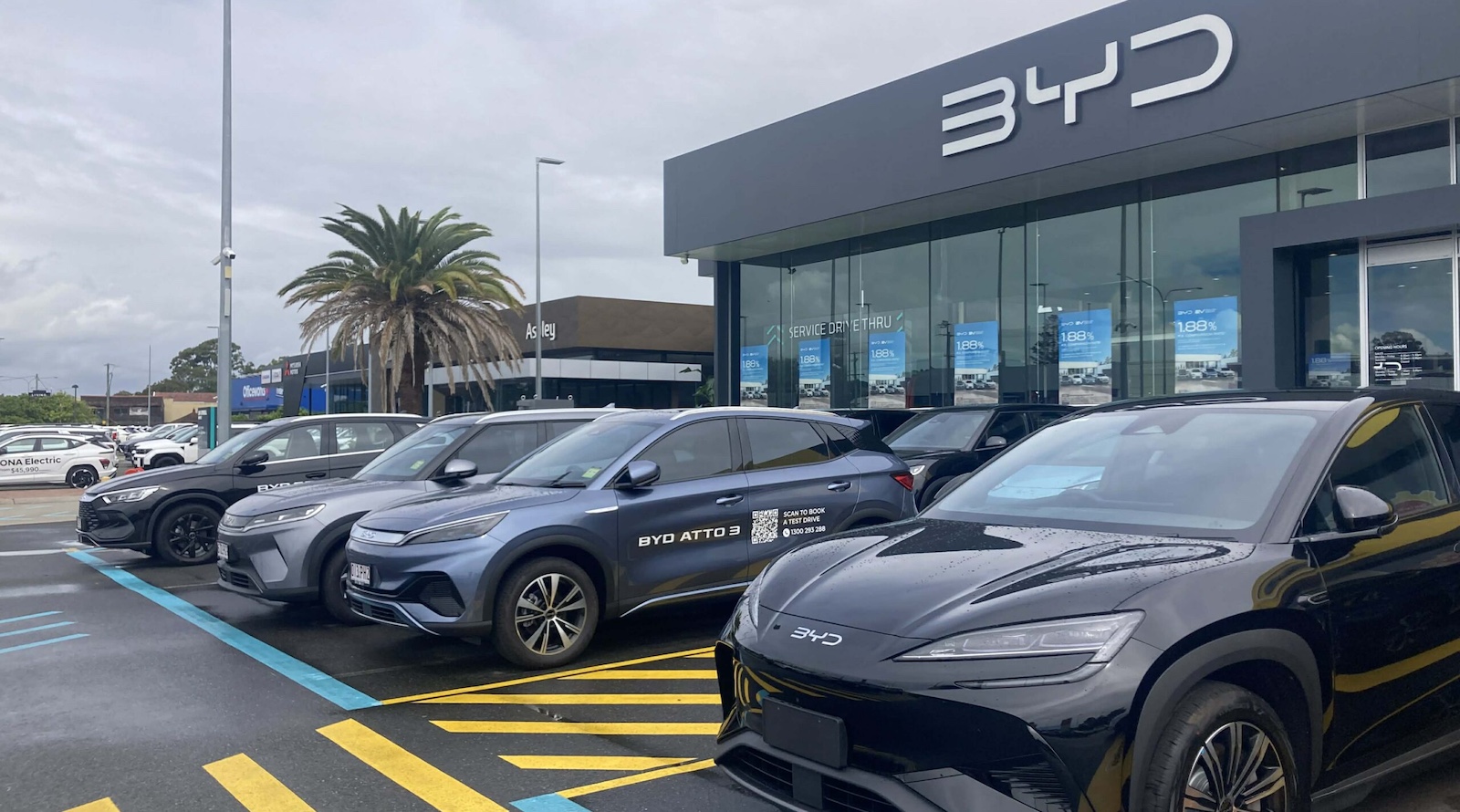
Breaking down the numbers, battery electric vehicles (BEVs) accounted for 15,459 units, while plug-in hybrid electric vehicles (PHEVs) contributed 9,628 sales. Together, these two categories powered the overall plug-in share to nearly 27 percent of the market. The results underscore Australia's growing appetite for electric mobility, even as internal combustion engine models still dominate the majority of transactions.
BEV and PHEV Trends: Steady vs. Rising
Month-on-month comparisons reveal a telling divergence between the two plug-in types. BEV numbers appear to have remained essentially flat from March to April, suggesting a stabilization in consumer demand for fully electric cars. In contrast, PHEV registrations showed a noticeable increase over the same period, indicating that buyers are increasingly turning to plug-in hybrids as a transitional option.
This pattern aligns with broader market observations: while BEVs continue to attract early adopters and eco-conscious drivers, PHEVs appeal to those seeking reduced fuel costs without fully committing to electric-only range. The April data reinforces the view that both technologies are playing complementary roles in Australia's electrification journey.
Driving Factors Behind PHEV Growth
Several factors may be contributing to the PHEV surge. Expanded model availability, competitive pricing, and enhanced electric ranges have made plug-in hybrids more practical for daily commutes. Additionally, concerns about charging infrastructure in rural areas and for long-distance travel may steer some buyers toward PHEVs as a flexible solution.
Implications for Australia's Electric Vehicle Market
With one in four new vehicles now capable of plugging in, the Australian market is rapidly approaching the 30 percent threshold for plug-in adoption. This momentum has significant implications for energy policy, grid management, and automotive retail. Automakers are likely to accelerate their local EV plans, while charging networks will need to expand to meet growing demand.
The stability in BEV sales, despite the overall market growth, suggests that the pure-electric segment may be facing short-term headwinds—such as range anxiety or higher upfront costs—that PHEVs help mitigate. However, as battery costs continue to fall and public charging improves, BEVs are expected to regain their growth trajectory.
Context from Previous Months
While the April 2026 figures are based on a single month, they build on an upward trend seen earlier in the year. Earlier monthly updates from CleanTechnica indicated steady increases in plug-in market share through the first quarter. The April data confirms that the pace of electrification is not slowing, with PHEVs adding fresh impetus.
For comparison, the same month in 2025 saw plug-in vehicles account for roughly 22 percent of sales. The jump to 27 percent in one year represents a solid gain, driven by both BEV and PHEV adoption. The Australian market is clearly moving beyond the early adopter phase and into mainstream acceptance.
Looking Ahead: Key Factors to Watch
Several developments could influence future sales patterns:
- Policy support: Federal and state incentives, such as stamp duty exemptions and rebates, remain crucial for maintaining momentum.
- Charging infrastructure: Expansion of fast-charging networks along major highways will address range anxiety and encourage BEV adoption.
- Model launches: New affordable EV and PHEV models entering the market could shift the balance.
- Fuel prices: Volatility in petrol and diesel costs may drive more consumers toward plug-in options.
The April 2026 data offers a clear signal: Australia is embracing electric mobility at an accelerating rate. Whether through fully electric vehicles or plug-in hybrids, the path to lower emissions on the road is being paved one registration at a time.
Summary of Key Statistics
- Total plugin sales: 25,087
- Total vehicle sales: 94,049
- Plugin market share: ~27%
- BEVs: 15,459 (steady month-on-month)
- PHEVs: 9,628 (increased month-on-month)
Data source: CleanTechnica, April 2026